

Avoid Truck Body Build Delays Before Fleet Delivery
July 28, 2026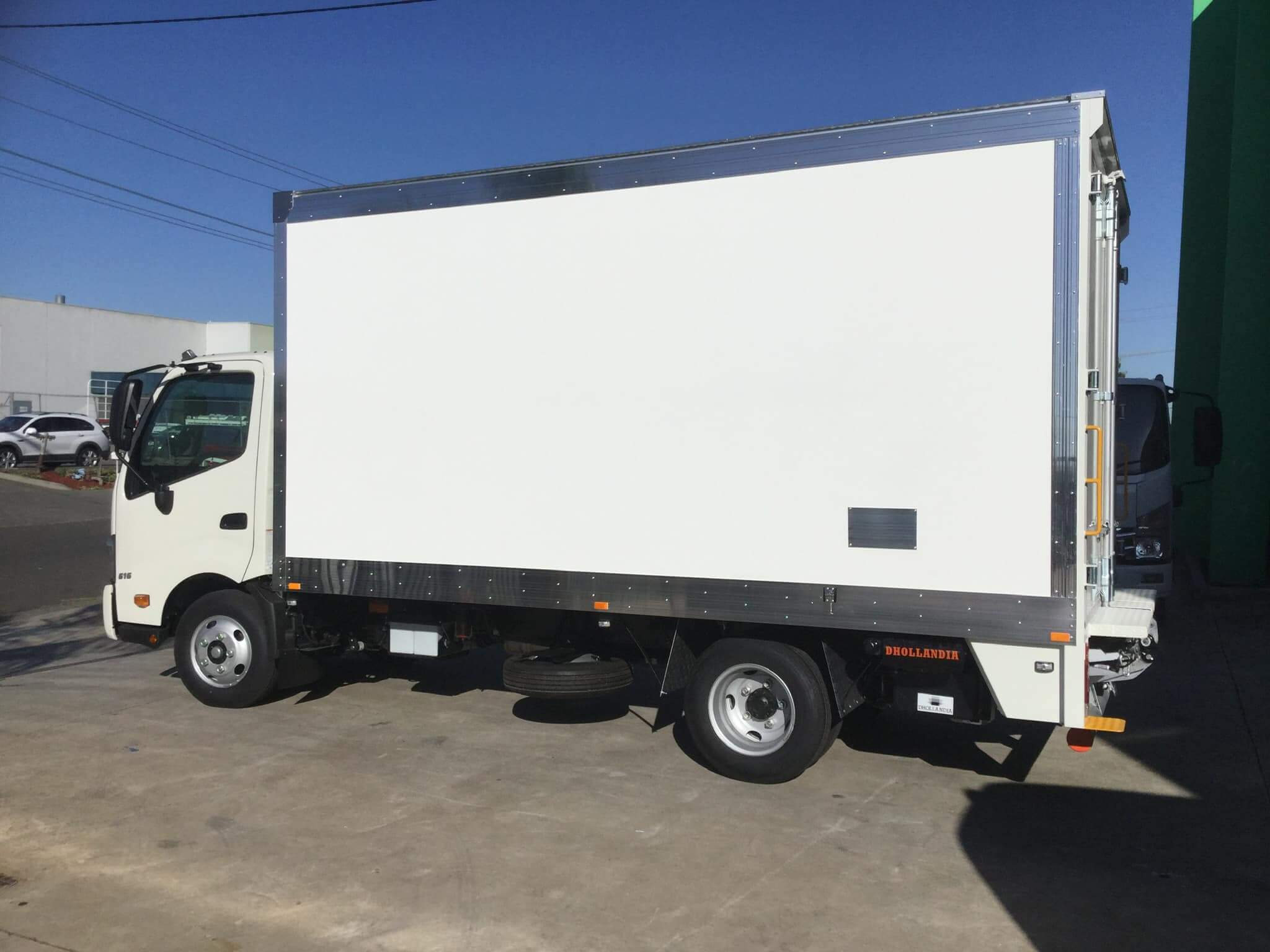
Avoid truck body build delays by confirming chassis data, body specifications and approvals before fleet delivery dates are locked in.
Truck body build delays often begin before fabrication, when fleet requirements, chassis details or accessories remain unresolved. A complete build brief gives dealers, fleet managers and body builders a stronger basis for procurement, scheduling and handover.
What Causes Truck Body Build Delays?
A truck body must match the chassis, intended load, operating environment and delivery task. If these inputs change after design or material ordering, the build may require revised drawings, new components or approval from other parties. Delivery promises should therefore follow scope confirmation—not precede it.
ANJ Transport Solutions builds, upgrades, repairs and refurbishes custom truck bodies for dealerships and customers around Australia. Documented body types include freezer bodies, curtain siders, trays, Colorbond van bodies, Eco Panel vans and FRP van bodies.
Confirm These Inputs Before Production
- Chassis information: supply the exact make, model, wheelbase, cab configuration and relevant manufacturer data.
- Payload requirement: distinguish desired payload from body capacity and confirm how body tare affects the completed vehicle.
- Body dimensions: define internal and external dimensions around the freight, loading method and operating sites.
- Access and loading: specify door positions, openings, steps, gates and any material-handling requirements.
- Accessories: resolve lighting, storage, load-restraint points and other agreed inclusions before drawings are approved.
- Delivery responsibility: identify who supplies and transports the chassis and who coordinates registration or final fleet acceptance.
Use the Body Type That Matches the Work
A tray, curtain sider and refrigerated body solve different freight problems. Do not select an add-on because it sounds productive without checking weight, access and operational impact. ANJ’s truck body types give fleet buyers a starting point for discussing the appropriate configuration.
Claims that aluminium automatically adds hundreds of kilograms of payload, lowers fuel use or improves compliance require vehicle-specific evidence. Final mass, axle loads and operating limits must be confirmed for the completed vehicle. The National Heavy Vehicle Regulator guidance on vehicle standards and modifications provides authoritative background, but the relevant approval pathway must be established for each build.
Make Changes Visible Before They Become Delays
ANJ provides customers with access to its Production Build System, which shows build stages and progress photographs. Progress visibility is useful, but it cannot compensate for an incomplete initial specification. Nominate one authorised contact for decisions and require changes to be documented with their cost and programme effect.
Branding files, fleet numbers and any customer-supplied equipment should also have firm approval and delivery dates.
For fleet orders, confirm whether every vehicle is identical or whether chassis, branding, body and accessory requirements differ. Small variations can disrupt repeat production if they are discovered late.
Start With a Manufacturing-Ready Enquiry
Send ANJ Transport Solutions the chassis details, body type, intended freight, quantities, required delivery dates and accessory list. Ask the team to identify missing information before the programme is committed. A controlled specification gives the fleet a better chance of arriving ready for work without last-minute body changes.
Optimized by: Netwizard SEO